Seasonal Tips for Home Health Care in North Miami: Preparing for Hurricane Season
Understanding the Importance of Preparation
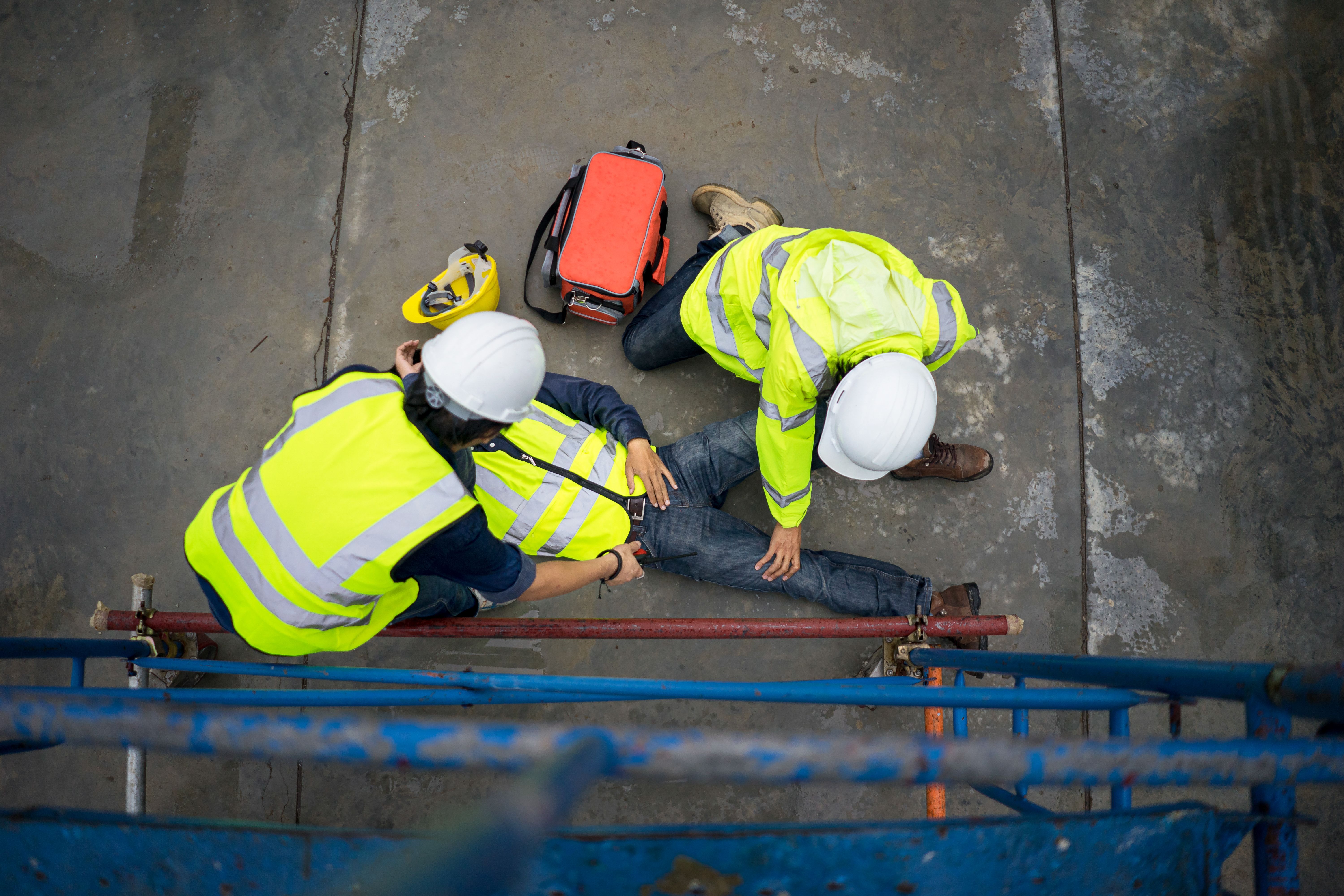
Hurricane season can be a challenging time, especially for those involved in home health care services. In North Miami, where hurricanes are a common occurrence, it's crucial to be well-prepared. This preparation ensures the safety and well-being of both caregivers and patients during potential emergencies.
Planning ahead can make a significant difference in the level of care provided. It involves having the right supplies, understanding evacuation procedures, and maintaining open communication channels.

Creating a Comprehensive Emergency Plan
An effective emergency plan is the backbone of hurricane preparedness. It should include detailed steps for evacuation, communication, and medical needs. Collaborate with your health care team to tailor the plan to meet the specific needs of each patient.
It's essential to update this plan annually and after any significant life changes. Ensure that all caregivers are familiar with the plan and know their roles in executing it.
Evacuation Routes and Shelters
Identify the nearest evacuation routes and shelters beforehand. Ensure that these locations are accessible for patients with mobility challenges. Keep a list of these routes and shelters handy for quick reference in case of an emergency.

Stocking Up on Necessary Supplies
Having the right supplies is critical during hurricane season. Stock up on essential items such as non-perishable food, water, medications, and medical supplies. Make sure you have enough to last at least a week.
Additionally, consider the specific needs of patients, such as oxygen tanks, mobility aids, or dietary requirements. Keeping an inventory of these items will help ensure that nothing is overlooked.
Backup Power Solutions
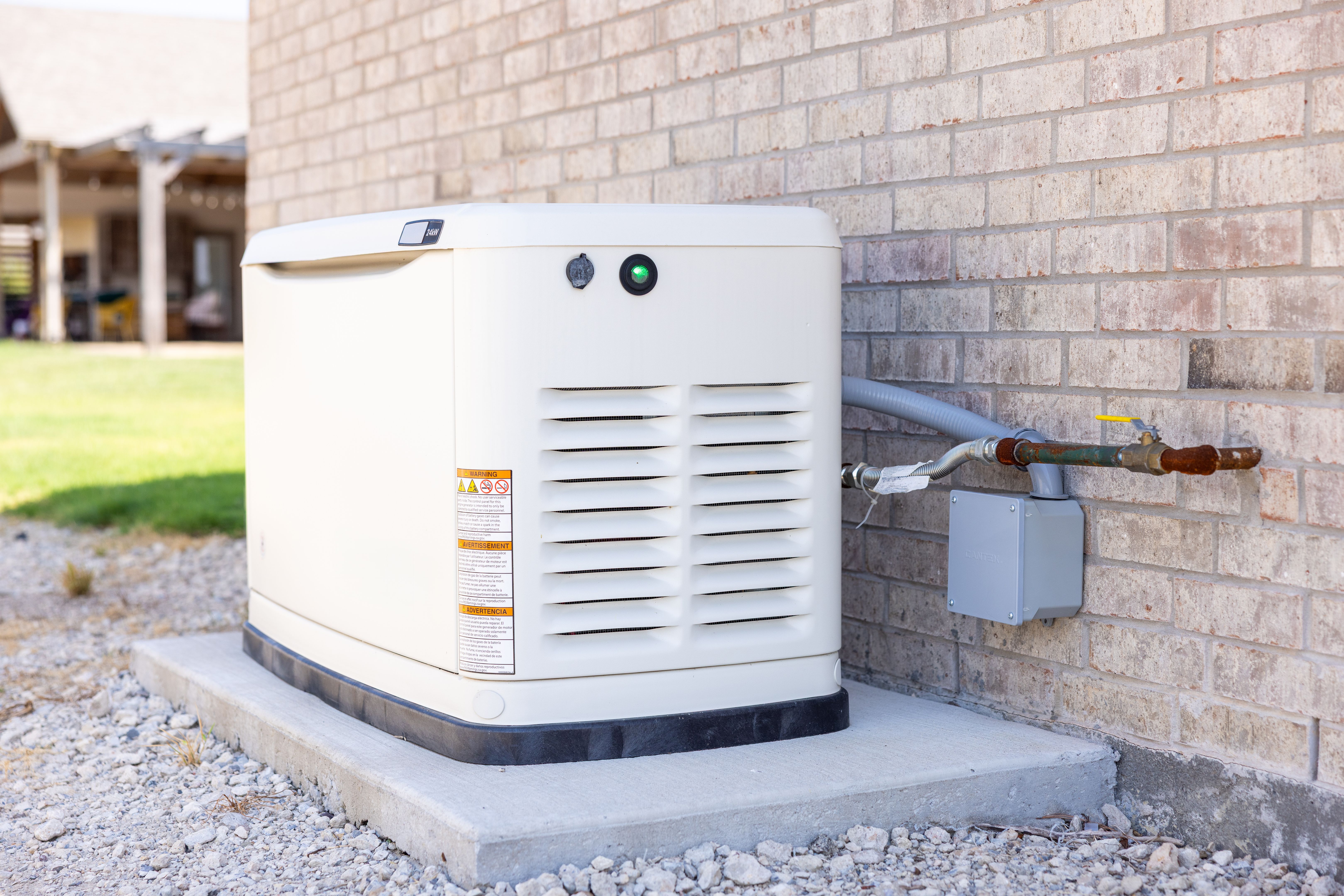
Power outages are common during hurricanes. Invest in backup power solutions like generators or battery-powered devices to keep essential medical equipment running. Ensure that caregivers know how to operate these devices safely.
Communication is Key
Maintaining open lines of communication is vital in a crisis. Ensure that you have updated contact information for all caregivers, patients, and emergency services. Consider using group messaging apps to quickly disseminate information.
Regularly test communication systems to ensure they function correctly. This practice can prevent miscommunication during an actual emergency.
Staying Informed with Alerts
Sign up for local weather alerts and updates from trusted sources. These alerts provide timely information on hurricane developments, allowing you to act quickly and effectively.
Training and Drills
Regular training and drills can prepare caregivers and patients for the realities of a hurricane. Conduct these sessions periodically to familiarize everyone with the emergency plan and procedures.
These drills help build confidence and ensure that everyone knows what to do when a hurricane threatens the area.
Review and Reflect
After hurricane season, take time to review and reflect on the effectiveness of your preparedness efforts. Gather feedback from caregivers and patients to identify areas for improvement.
This ongoing process of evaluation and adaptation ensures that you're always ready for whatever challenges hurricane season may bring.